
Turning Tweets into Handshakes
By
Eric Olson
Most people who organize events for a living feel there is something special about meeting face-to-face. They believe in the power of a firm handshake. So where does social media fit in? The tweets, the updates, the forum posts issued into the ether—aren’t these the very opposite of the face-to-face experience?The truth is, they’re not. Event organizers are quickly adopting social tools to create richer, more valuable and measurable experiences.
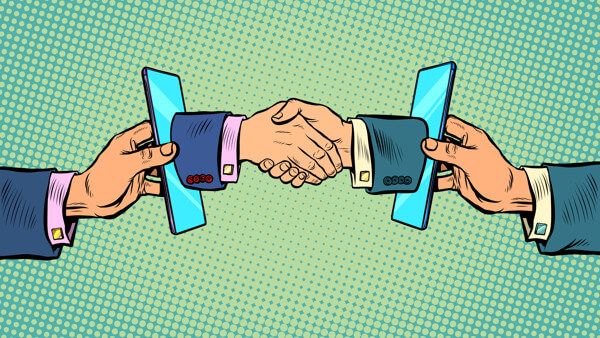 At its core, an event is a group of like-minded people coming together around a common interest. Social media can support that group, enlarge it and sustain it over time. Generally speaking, it can do this in three ways.
Expand an event in time:
A recent Nielsen report shows that 92 percent of online consumers trust recommendations from people they know, while less than 40 percent trust online advertising. It’s just as true with events. People check Facebook to see where their associates are headed. They watch their LinkedIn network to decide if they should go too. On Active Network’s attendee management software, RegOnline™, the number of registrations from social media is growing faster than any other source, trailing only direct traffic as the biggest single source of event attendees.
If you’re responsible for an event, you want to bring this community to life as early as you can, and keep it going as long as possible. In the lead-up, encourage conversation by tweeting updates with a special event hashtag. Hold a Twitter chat with a distinguished presenter (again, use your hashtag). Retweet related news (yes, hashtag). Create a Facebook page and post regular updates about sessions, cocktail hours and the like. On your registration page, include social media buttons so your audience can easily tell friends where they’re going.Also, consider investing in software specially designed to build online communities. It will help your audience connect with the people most important to them, and access the most relevant content before, during and after the event. The most advanced of these packages can even recommend Facebook friends for registrants to invite. It’s not absolutely essential, but it makes your job much easier.
Extend it in space:
When it comes to events, the difference between onsite and offsite isn’t as clear-cut as it used to be. With ubiquitous Wi-Fi, a smartphone in every pocket, and tablets and laptops in every briefcase, the live experience now extends well beyond the conference room.
Attending an event virtually – or from the next room – is interesting when you can watch, but even more valuable when everyone can collaborate. At this year’s CiscoLive!, for instance, CEO John Chambers was able to instantly see feedback from both the live and virtual audiences and respond to questions digitally immediately after stepping off stage.A good way to start is to set up a monitor in the session room, event lounge or general lobby area to display a Twitter stream for the session or the entire event. Speakers can take questions from the online audience, provide a video stream chat room or post questions from the room to social media. Be sure to feed the conversation and the video stream back into your online community, so it becomes fodder for discussion after the in-person event is over.
Improve it in real-time:
Social media can even help improve your event in real-time by making attendee sentiment measurable. We once saw an event where a presenter was scheduled to speak at three sessions. On the first day the sentiment on the Twitter channel was dreadful. But the organizers were able to provide feedback and add an additional speaker on the spot, and by the third day, the feedback in the room was almost euphoric. That would never have happened before the advent of social media.
Social media can also help attendees form new interest groups on the fly. We once watched a Twitter feed in a conference session spiral out into a separate conversation, which turned into a happy-hour conversation that ran well into the night.
There it was: a face-to-face meeting between people who never would have met if it hadn’t been for a social media conversation—creating valuable content and connections that the organizer didn’t have to plan or pay for. It turns out, far from being the enemy of the handshake, social media may be the best ally it’s ever had.


